
Deciphering digital culture
Digital culture shapes creativity, communication and collaboration in the digital age. It enables individuals and organisations to explore new forms of digital interaction, creative expression and shared online experiences.



Digital culture
Social media & modern digital culture
Social media play a central role in modern digital culture, connecting people and organisations through diverse online platforms and digital communication channels.
Social platforms offer opportunities for individuals and businesses to exchange ideas, build relationships and reach wider audiences. They facilitate remote collaboration and content creation. Participating in an online community can also encourage knowledge sharing and critical thinking skills.
Internet of Things
What to expect from intelligent connected objects
The Internet of Things (IoT) connects physical devices to the internet, enabling communication between connected objects, applications and digital services.
Equipped with sensors, processors and connectivity components, smart devices collect and exchange data. These technologies rely on innovations such as cloud computing and artificial intelligence to support intelligent automation, remote monitoring and more efficient everyday activities.
01
Smart thermostat
A smart thermostat automatically adjusts home heating and temperature settings according to your preferences, helping improve indoor comfort and energy efficiency.
02
Smart watch
The smartwatch provides heart rate monitoring, email notifications and activity tracking directly from your wrist.
03
Connected security camera
A connected security camera supports remote home monitoring, allowing you to view camera footage from your smartphone or computer.
Startups & innovation
How are startups transforming the digital product experience?
Startups are adopting Product Information Management (PIM) solutions to centralise product data management and maintain consistent information across sales channels. These tools also help improve product descriptions and the customer experience.
PIM software centralises product specifications and technical information. By using the www.goaland.com tool, businesses can organise product information more efficiently, improve consistency across channels and produce customised product information sheets.
- Save time and improve operational efficiency
- Improve the accuracy, consistency and quality of product information
- Increase product visibility and the appeal of product listings

Emerging technologies
Shaping the future with emerging technologies
Emerging technologies are changing how industries operate, creating new opportunities for research, production and digital innovation. Biotechnology, nanotechnology and robotics offer potential applications in healthcare, manufacturing and other sectors, while raising important technical and societal questions.

Quantum computing
- Exploring complex molecular simulations and problems in quantum chemistry..
- Addressing hardware reliability, error correction and the technical challenges of building quantum computers.
- Developing post-quantum cryptographic algorithms to protect information against future quantum computing threats.

Virtual reality (VR) & augmented reality (AR)
- Interacting with digital objects and simulated environments through immersive technologies.
- Creating immersive learning experiences, professional simulations and interactive entertainment.
- Enhancing access to contextual information through augmented reality interfaces.

Blockchain
- Maintaining transparent and tamper-resistant records using distributed ledgers.
- Supporting cryptocurrency transactions and programmable smart contracts.
- Recording and exchanging information across decentralised networks.
Artificial intelligence (AI)
- Supporting medical diagnostics, machine translation and speech recognition through AI models.
- Distinguishing specialised narrow AI systems from hypothetical artificial general intelligence.
- Exploring AI applications in everyday services, education and healthcare.
Digital marketing
Digital marketing strategies for sustainable business growth
Digital marketing combines online marketing strategies designed to improve brand visibility, attract potential customers and support business growth. Digital tools also contribute to performance management, as illustrated by sales compensation tools. Key approaches include search engine optimisation, social media marketing and audience engagement.


Influencer marketing
Build audience trust and reach relevant communities through influencer recommendations and creator partnerships.


Mobile marketing
Use mobile campaigns and smartphone-based communication to strengthen brand awareness and encourage customer engagement.


E-mail marketing
Build customer relationships and encourage loyalty through targeted email campaigns and personalised communications.

Content marketing
Create and distribute relevant digital content that answers audience needs and attracts potential customers.
Key factors to consider when investing in technology
Technology investment can help businesses improve efficiency, modernise operations and remain competitive. Before adopting new solutions, assess business requirements, implementation costs, technical compatibility and the skills needed to use digital tools effectively.



Mobile applications
Essential strategies for successful mobile app development
Successful mobile app development begins with clearly defining the project’s objectives, target users, functional requirements and technical specifications.
Evaluate the application’s user experience and added value before selecting a development platform and programming language. Depending on your budget, performance requirements and intended features, you can choose between native and hybrid applications.
Industrial technologies
Transformative industrial technologies across growing sectors

Electric & autonomous vehicles
Electric and autonomous vehicles are transforming transportation through electric mobility, automated driving systems and advances in vehicle technology.

Cloud computing
Cloud computing provides scalable computing resources and remote data storage, with costs and security depending on the provider, configuration and service model.
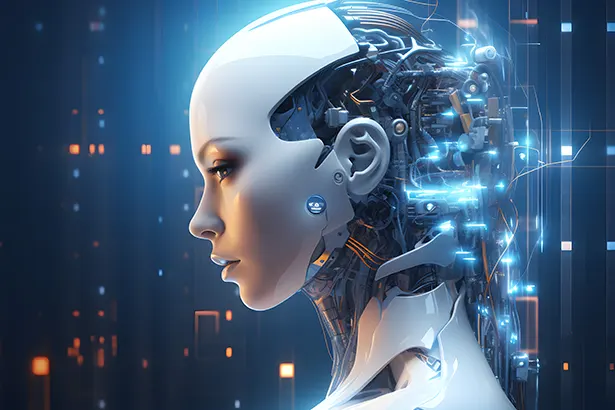
Advanced robotics
Advanced robotics combines sensing, control systems and intelligent automation to develop robots capable of adapting to different industrial tasks.

Big data
Big data analytics helps organisations identify patterns, support decision-making and improve operational performance using large datasets.